 Join the network
Horizon Europe research · 2026–2029
The future of work
is not simply
longer or shorter.
OPTIME is creating the first cross-national, multi-level evidence base to understand which working-time reduction models are feasible, inclusive and sustainable, where they work and under what conditions.
WORK
TIME
LIFE
working time, reimagined
Not one answer.
A better evidence base.
What is OPTIME?
Moving the conversation beyond one size fits all.
Existing evidence on working-time reduction is promising but often fragmented across countries, models and disciplines. OPTIME connects evidence from people, organisations and national systems to understand what is feasible, for whom, and in which contexts.
The network
Connected across Europe.
Nine consortium organisations bring different disciplinary, national and institutional perspectives to one shared research programme, within a wider twelve-country research footprint.
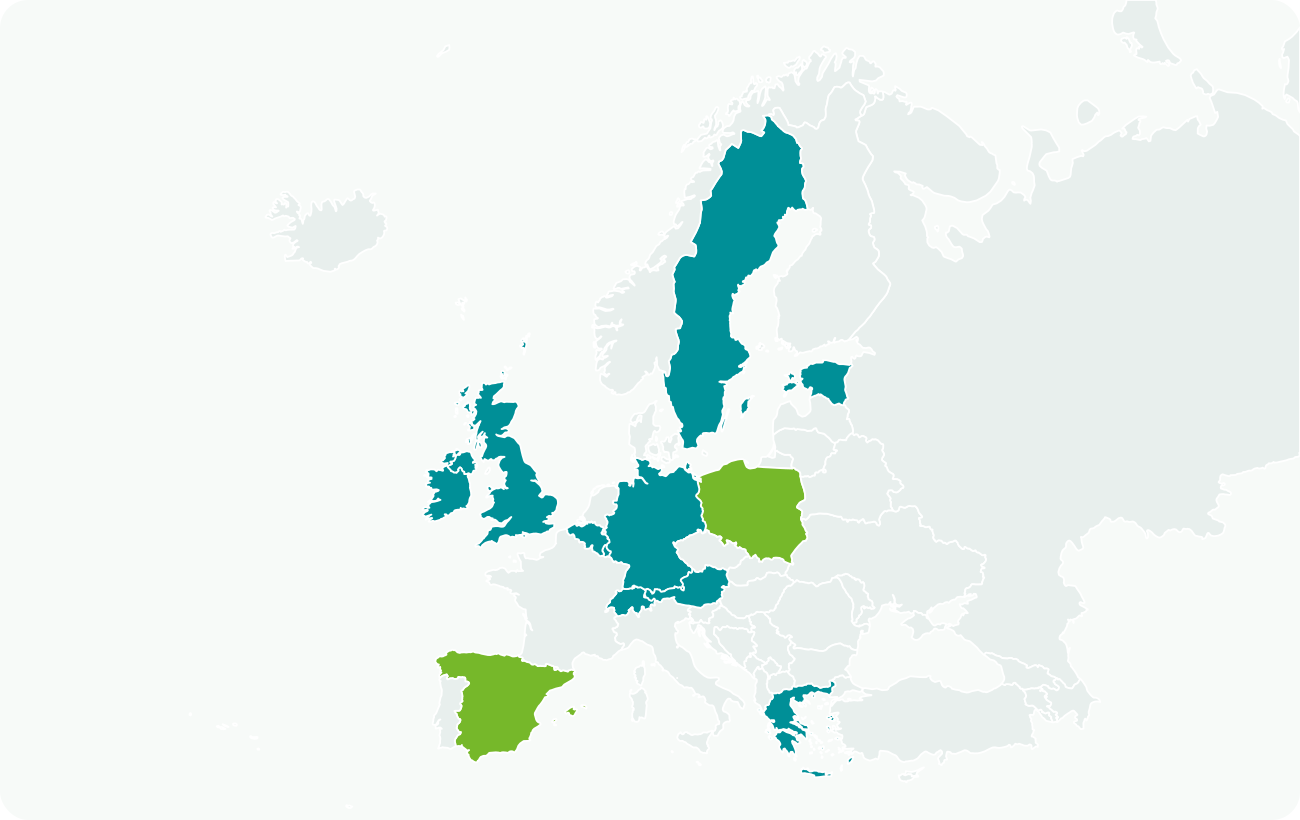
Consortium countriesAdditional research countriesOther European countries
Country boundaries: Natural Earth
How we work
One shared question.
Many disciplines.
OPTIME brings psychology, economics, sociology, management, political science, environmental science, behavioural science and information systems into dialogue. Together, these perspectives help us understand working-time reduction across people, organisations and wider systems.
Meet the consortium →PsychologyEconomicsSociologyManagementPolitical scienceEnvironmental scienceBehavioural scienceInformation systems
Shared focusWorking
time
time
 Project update
Latest from OPTIME
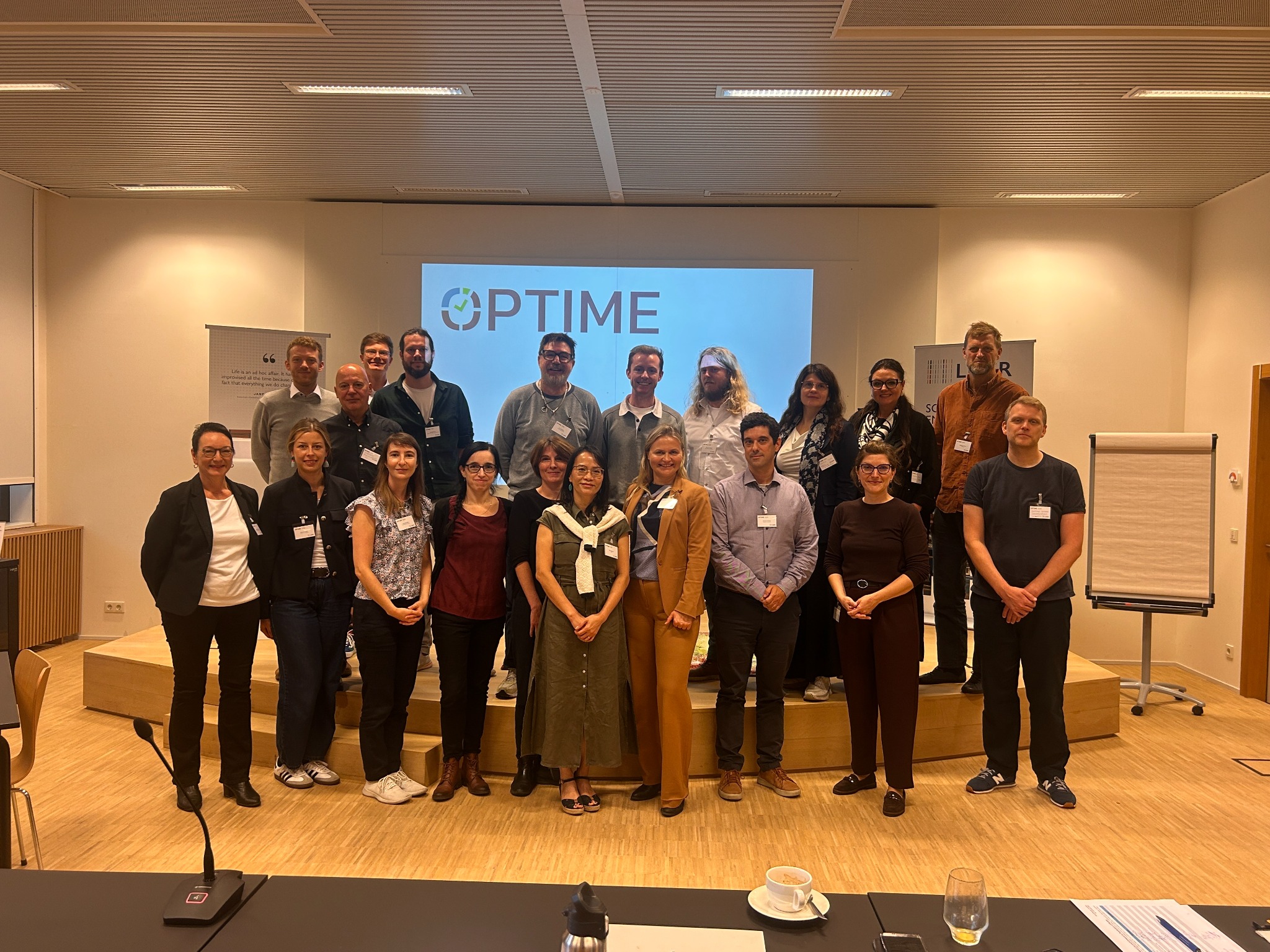
The research journey begins
Luxembourg · October 2026
The consortium came together to align the questions, connect perspectives and build the shared foundations for a three-year European research programme.
Read the project launch ↗Stay connected
Join the OPTIME network.
Follow the research and tell us how you might like to take part. Your answers help us share relevant events, stakeholder conversations and future study opportunities.
Updates→Events→Research opportunities

Horizon Europe · 2026–2029
European research for better working-time futures.
OPTIME is funded by the European Union’s Horizon Europe research and innovation programme under Grant Agreement No. 101289891.
Views and opinions expressed are, however, those of the author(s) only and do not necessarily reflect those of the European Union or the granting authority. Neither the European Union nor the granting authority can be held responsible for them.